 Two concepts frame the legal-sufficiency issue in Raoger Corp. v. Myers.
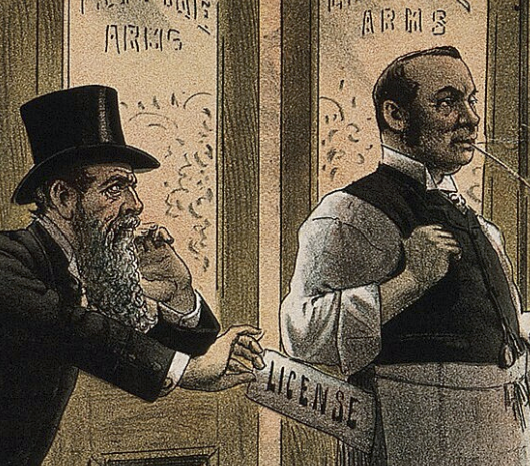
First, the Dram Shop Act imposes liability on providers of alcoholic beverages if they serve a customer who is “obviously intoxicated to the extent that he presented a clear danger to himself and others.” The Act requires that the intoxication be “apparent to the provider” when the alcohol was served—a higher tandard than the common-law requirement that the provider “knew or should have known” of the customer’s intoxication.
Second, the rule against “inferences on inferences” prohibits the stacking of conclusions to establish a fact. As Raorger summarized: “Findings must be supported by facts in evidence, not conjecture, and we cannot pile speculation on speculation and inference on inference.”
In Raorger, the plaintiff relied on test results showing that a driver had BAC of .139 approximately 3-4 hours after leaving a restaurant. The supreme court held that while the BAC test results supported an inference that the driver drank a large amount of alcohol, no direct evidence linked that inference to the driver’s appearance and behavior at the restaurant.
More specifically, the Court highlighted that all relevant witnesses testified that the driver did not show signs of obvious intoxication at the restaurant. Speculation about how he “might have” appeared based on his BAC results was insufficient: “Speculative and conclusory testimony, by experts and lay witnesses alike, is incompetent and cannot support or defeat summary judgment.”
Footnote ten of the opinion analyzes the application of this holding to expert analysis more generally. No. 23-0662, April 11, 2025.